Water Damage Restoration Huntersville, NC
24/7 water damage restoration in Huntersville, NC. The restoration team extracts standing water, dries the structure to the IICRC S500 standard and documents every step for your insurance claim.
(888) 578-4720Water in the crawl space? Get extraction started Structural drying, not just surface
What to do while the water is still moving
The first 24 to 48 hours decide how much can be dried and how much has to be replaced.
- Shut the main
Close the main shut-off or the fixture valve so no new water enters.
- Kill wet circuits
Switch off power to wet rooms if the panel is dry, and stay out of water near outlets.
- Photograph first
Take wide shots and close-ups of the water line before moving anything.
- Lift and call
Lift rugs and belongings off the floor, then call (888) 578-4720.
Water Damage Restoration Services in Huntersville, NC
Water and sewage only: from the first extraction to the last moisture reading, in homes and businesses across north Mecklenburg.
 01Water Extraction & RemovalStanding water pulled out first with truck-mounted and portable extraction.View service
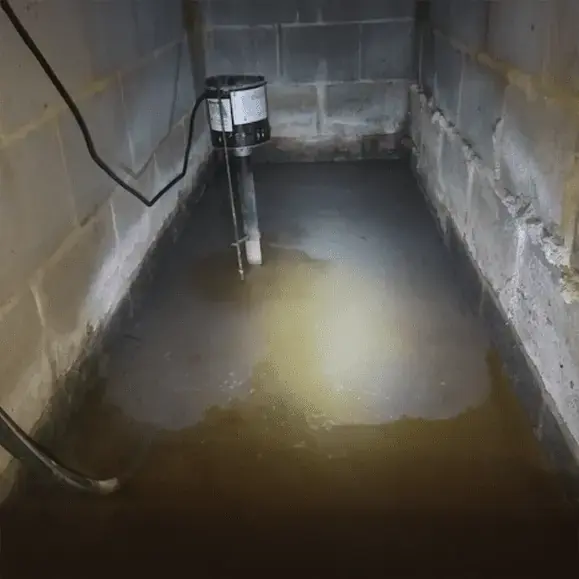 02Crawl Space Water DamageRed clay runoff and plumbing leaks under the house, pumped out and dried.View service
 03Storm & Creek Flood CleanupTropical-storm rain and creek overflow treated as Category 3 water.View service
 04Basement Flooding CleanupWalk-out lower levels on lake and creek lots extracted and dried.View service
 05Sump Pump Failure CleanupA dead or overwhelmed pump backs water up, cleaned out and dried.View service
 06Burst Pipe CleanupA ruptured pressurized pipe soaks walls fast; cavities dried, not just floors.View service
 07Supply Line Leak CleanupPEX fittings, toilet and sink supply lines that drip or let go.View service
 08Appliance Leak CleanupWasher hoses, dishwashers and ice makers that flood a kitchen or laundry.View service
 09Water Heater Leak CleanupGarage and attic tanks that rupture or overflow their pans.View service
 10HVAC Condensate Leak DamageAttic air handler pans that overflow into ceilings on humid days.View service
 11Ceiling Leak Water DamageUpstairs bathrooms and laundry rooms leaking through drywall below.View service
 12Roof Leak Water DamageStorm-driven rain at flashing and vents, attic and ceiling dried out.View service
 13Structural Drying & DehumidificationFraming, subfloor and wall cavities dried to a measured goal.View service
 14Sewage Backup CleanupCategory 3 backups contained, removed and treated with antimicrobial.View service
 15Commercial Water DamageStorefronts, offices and warehouses along I-77 and NC 73 dried out.View service
Water damage dried to the IICRC S500 standard
What separates a finished dry-out from a cosmetic one is the order of the work.
- 1
Moisture mapping
The tech who does the walkthrough maps wet materials with pinless meters and thermal imaging and sets the category and class of the loss before any equipment goes down.
- 2
Extraction
The extraction crew pulls standing water with truck-mounted units, so the water leaves the house instead of moving to the next room.
- 3
Drying setup
Air movers go in at each room's evaporation load, with LGR dehumidifiers pulling that moisture out of the air, and desiccants for Class 4 materials.
- 4
Daily readings to dry
The drying team records readings daily, and equipment leaves when wet materials sit within 2 to 4 points of a dry reference.
The gear a real dry-out runs on
- Truck-mounted extraction and submersible pumps
- LGR dehumidifiers, desiccants for hardwood and concrete
- Air movers set to each room's evaporation load
- Thermal imaging and pinless meters for hidden water
- Containment and HEPA air scrubbers on contaminated losses
Drying timeline: a contained loss usually dries in three to five days; hardwood and plaster take longer. Equipment leaves on readings, not on a schedule.
Crawl spaces and red clay: the loss Huntersville sees most
- Red clay sheds storm water toward foundations instead of soaking it up
- Vented crawl spaces pull in humid summer air that slows drying
- Wet insulation holds water against joists and subfloor
What does water damage restoration cost in Huntersville, NC?
In Huntersville, NC, water damage restoration typically runs $1,000 to $20,000 or more. The drivers are the water category, the square footage, the material class and how fast drying started.
One or two rooms, Category 1, extraction and three to five days of drying
$1,000 to $3,000More square footage, insulation or pad removal, wall cavity drying
$3,000 to $7,500Storm, creek or sewage water, flood cuts, antimicrobial, extended drying
$7,500 to $20,000+Try the water damage cost calculator for a planning range based on your own loss.
All water damage categories covered in Huntersville, NC
Category 1, clean water
Supply lines, water heaters and ice makers. Usually dried in place when work starts early.
Category 2, gray water
Washer and dishwasher drains, sump pits. Soaked pad and insulation usually come out.
Category 3, black water
Sewage, creek overflow and storm runoff. Porous materials it touches are removed, not dried.
See sewage backup cleanupDocumentation for your insurance claim
A water claim is decided on the file. The restoration contractor who responds builds that file as the work happens.
- A moisture map from day one
- Daily psychrometric and material readings
- Timestamped photos before any demolition
- The category and class of the loss
Sudden and accidental, or flood?
A burst pipe or a failed water heater is usually a sudden and accidental loss. Rising surface water from a storm or a creek usually falls under flood coverage, and sewer backup often needs an endorsement.
Coverage depends on your policy, so it is worth checking with your own insurer.
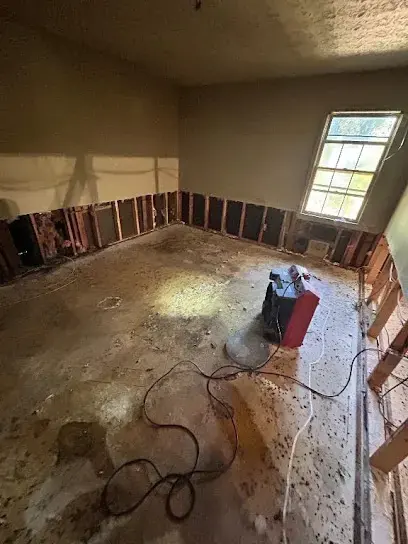
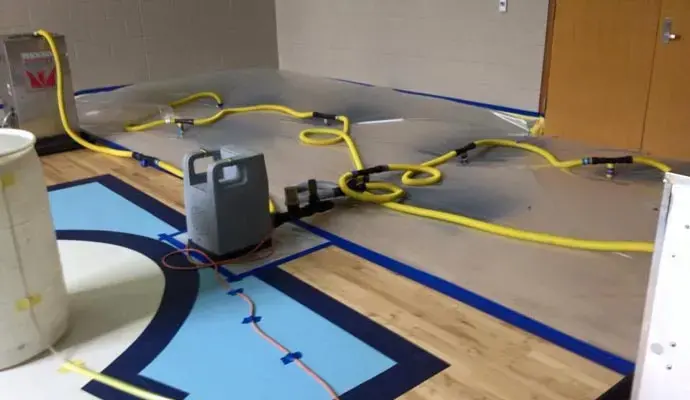
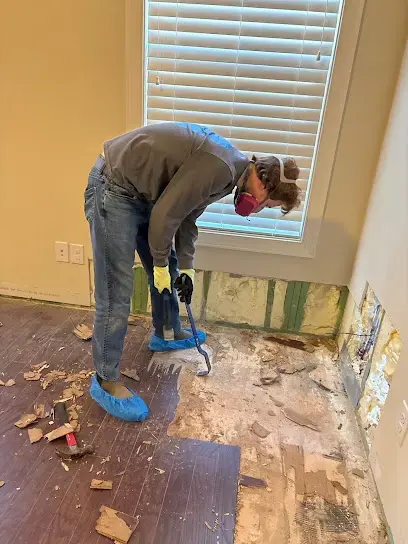
What a water damage dry-out looks like in Huntersville
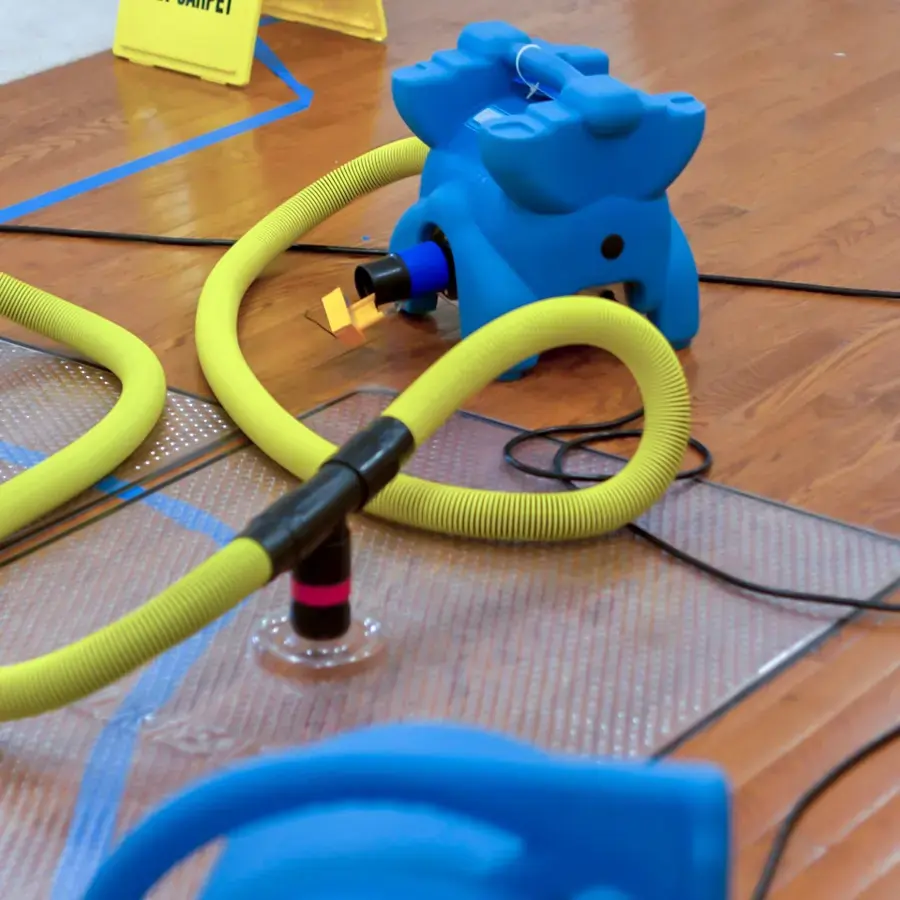
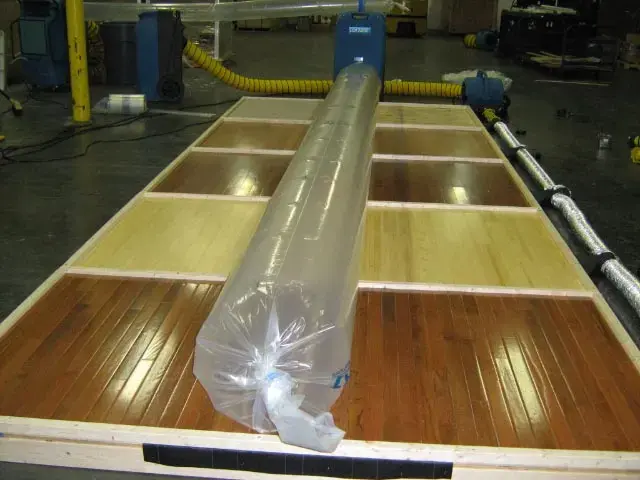
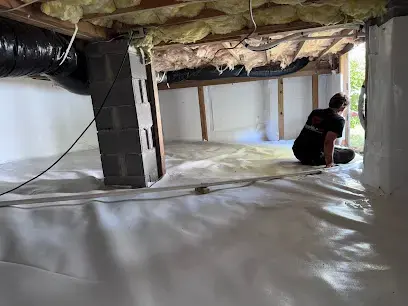
One call reaches Huntersville water damage pros, 24/7
The Huntersville restoration crew covers all of Huntersville in ZIP codes 28078 and 28070, from Birkdale Village and the NC 73 corridor to the Gilead Road side of town, with Cornelius, Davidson and the Mountain Island Lake shore as nearby areas.
- Birkdale Village
- Northstone
- Skybrook
- Vermillion
- Wynfield
- Rosedale
- Monteith Park
- Cedarfield
- Downtown Huntersville
- Gilead Road
- Cornelius
- Davidson
- Mountain Island Lake
Huntersville Water Damage Restoration · Huntersville, NC
See every neighborhood and ZIP covered
Find us on Google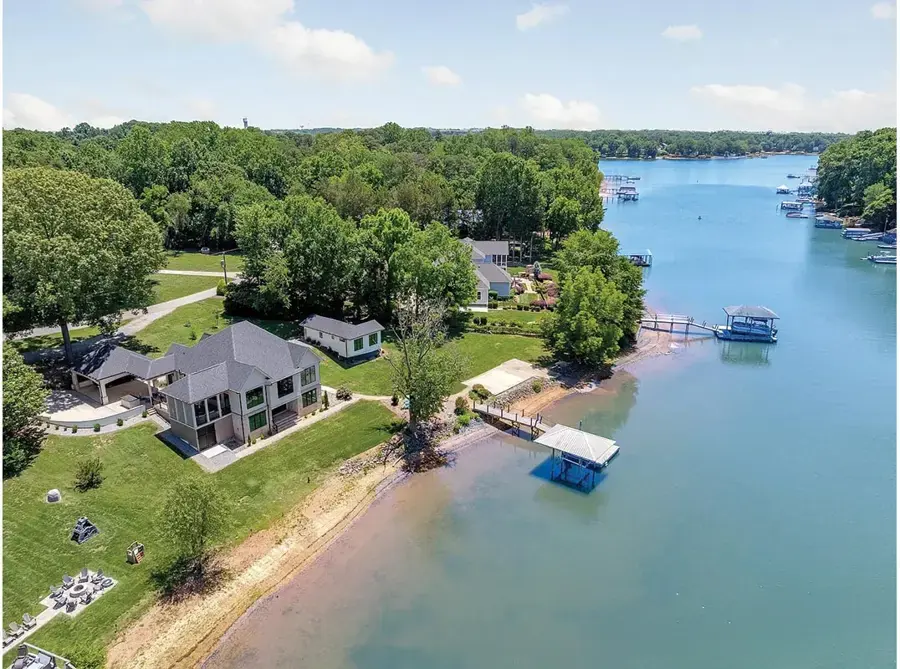
Water damage in Huntersville, NC: the local risk profile
North Mecklenburg grew fast along I-77, NC 73 and NC 115, and its water losses follow that housing stock, its soil and its weather.
- Red clay and crawl spaces: 1990s to 2010s homes on vented crawls collect runoff after heavy rain.
- McDowell Creek and the tropical-storm band: remnants of storms such as Florence and Helene stall over the region and push McDowell, Torrence and Clarke Creeks over their banks.
- Attic air handlers: humid summers fill condensate pans in two-story homes, and a clogged drain overflows into the ceiling.
- Newer-subdivision plumbing: PEX fittings, braided supply lines and upstairs laundry rooms let go over finished space.
Huntersville water damage questions, answered
What should I do in the first few minutes of a water leak?
Shut off the water at the main or the fixture valve, switch off power to wet circuits if the panel is dry, stay out of standing water near outlets, photograph the damage before moving anything, lift rugs and belongings off the floor, then call. Mold can begin to grow within 24 to 48 hours, so drying should start as soon as possible.
Why do so many Huntersville crawl spaces take on water?
Most homes here sit on vented crawl spaces over red clay, which drains slowly. Heavy summer storms and tropical rain run across the surface toward foundations, and short downspouts or yards that slope toward the house send that water underneath.
How long does it take to dry a house after water damage?
A contained Class 1 or 2 loss usually dries in three to five days. Hardwood, plaster, concrete and crawl spaces after long-running leaks take longer. Equipment comes out when readings show the wet materials within 2 to 4 points of a dry reference, not on a fixed date.
What is IICRC S500?
It is the industry standard for professional water damage restoration. It covers inspection, water categories and classes, extraction, drying and documentation, and it is the benchmark the drying goal is measured against.
Is water damage covered by homeowners insurance?
Sudden and accidental water, such as a burst pipe or a failed water heater, is often covered after the deductible. Rising surface water usually needs flood insurance, and sewer backup often needs an endorsement. Coverage depends on your policy, so it is worth checking with your own insurer.
What is the difference between Category 1, 2 and 3 water?
Category 1 is clean water from a supply line. Category 2 carries some contamination, such as washer or dishwasher drain water. Category 3 is grossly contaminated, such as sewage, creek water or storm runoff, and porous materials it touches are removed, not dried.
When does drywall have to come out?
Drywall that sagged, crumbled, touched Category 3 water or stayed wet too long is removed. Firm drywall wet with clean water can often be dried in place by venting the wall cavity.
Why is a sewage backup handled differently?
Sewage is Category 3 the moment it happens. Cleanup uses protective gear, containment, HEPA air scrubbers, removal of porous materials and an EPA-registered antimicrobial before drying begins.
How is the cost of water damage restoration worked out?
Cost follows the water category, the square footage, the material class and how quickly drying started. A one-room clean-water loss costs far less than a Category 3 flood across a lower level.
Is mitigation the same as repair?
No. Mitigation is the emergency phase: extraction, removal of what cannot be dried, and drying to the goal. Repair, such as new drywall, paint or flooring, comes after the structure is dry.
Water in your Huntersville home? Call now.
Standing water keeps wicking into drywall, subfloor and crawl space framing until it is pulled out. The Huntersville restoration crew extracts it, dries the structure to the IICRC S500 standard and records every reading for the claim.
(888) 578-4720Get a north Mecklenburg drying crew movingHuntersville Water Damage Restoration
Huntersville, NC · ZIP 28078 and 28070
Dispatch open every hour, every day of the year
Find us on Google